AP Austin Premier Plumbing
Emergency Plumbing

What to Do Before Calling an Emergency Plumber

In an emergency, every minute matters. This guide, written by a licensed professional, walks homeowners through practical actions you can take safely before a licensed emergency plumber arrives. It’s designed to reduce panic, protect your property, and help you communicate clearly with the expert team at Austin Premier Plumbing.

You’ll learn what constitutes an emergency, how to turn off water safely, how to protect your home from damage, and what to expect from a professional visit. The goal is to empower you to act confidently and minimize risk—without attempting risky DIY fixes that could make problems worse.
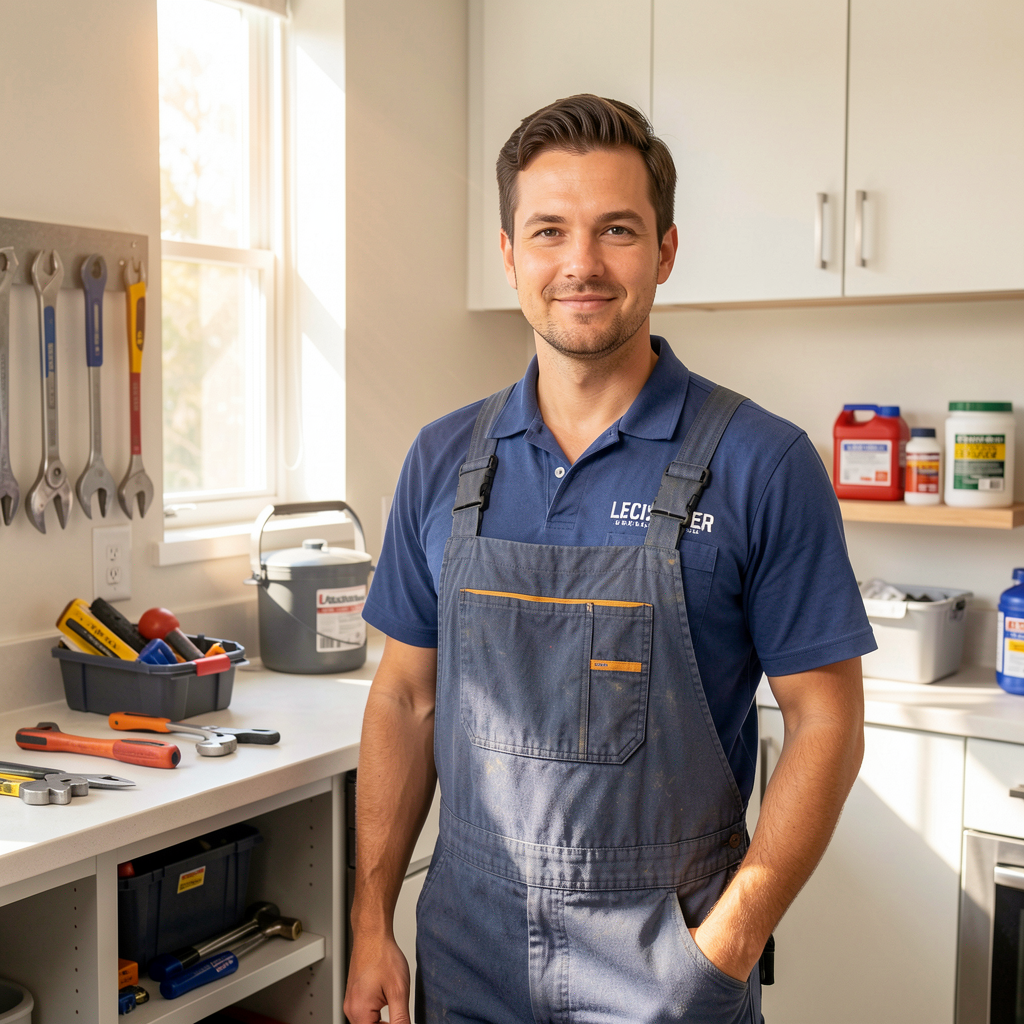
Emergency plumber in a modern home setting

What Is Considered a Plumbing Emergency?

Emergencies happen suddenly. A small issue can escalate quickly—flooded basements, soaking walls, ruined flooring, and significant property damage are not uncommon if a problem is left unattended. Quick, safe action can limit damage, preserve belongings, and reduce downstream repair costs.

The following scenarios typically require professional intervention. If you’re ever unsure, err on the side of caution and contact a licensed emergency plumber. Do not attempt complex or risky repairs yourself, especially when electricity or gas lines are involved.

Burst pipes A sudden pipe rupture can flood quickly. Shut off water if possible and call an emergency plumber immediately.
Major water leaks Leaking water from fixtures, ceilings, or walls that cannot be controlled with a shut-off requires professional assessment.
Sewer backups Sewer backups are hazardous and require immediate professional attention to prevent contamination and further damage.
Overflowing toilets If a toilet continues to overflow or repeatedly backs up, professional intervention is needed.
Water heater leaks Leaking water heaters or hot-water cylinder failures demand swift attention to prevent scalding or explosions in rare cases.
Frozen pipes or loss of water Frozen pipes or a total water loss across the home is a clear sign to contact emergency services for rapid assessment.

Step-by-Step Guide

1 Assess the Situation Why it matters • How to do it safely • Common mistakes
Why it matters: Quick assessment prevents delays and helps you communicate clearly with the plumber about what you’ve observed.
How to do it safely: Note all active leaks, sounds, or smells. If you see water pooling, determine the size of the affected area and whether there is visible electricity around any wet surfaces.
Common mistakes to avoid
  • Assuming the problem will go away on its own.
  • Underestimating the area of water spread due to hidden leaks.
2 Turn Off the Main Water Supply Why it matters • How to do it safely • Common mistakes
Why it matters: Stopping the flow reduces ongoing damage and buys time for a professional response.
How to do it safely: Locate the main shut-off valve (usually near the street, in a meter box, or where the main line enters the home). Turn clockwise until it stops. If you can’t locate it, shut off power to the home at the breaker and contact emergency services for guidance.
Common mistakes to avoid
  • Forgetting to turn off power after water is stopped (risk of shock near water).
  • Turning only a fixture valve instead of the main shut-off.
3 Protect the Water Heater When Appropriate Why it matters • How to do it safely • Common mistakes
Why it matters: Exposed leaks near the water heater can cause electrical hazards or a rapid loss of hot water without professional management.
How to do it safely: If you detect a leak near the heater and it’s safe to approach, shut off power to the unit at the breaker and avoid contact with water around electrical components. Do not attempt to repair.
Common mistakes to avoid
  • Attempting to tighten heated elements or piping without proper isolation.
4 Stay Safe Around Electricity Why it matters • How to do it safely • Common mistakes
Why it matters: Water and electricity can be a deadly combination. Avoid touching wet surfaces or switches with wet hands.
How to do it safely: If you have standing water near electrical outlets, disconnect power at the main breaker if it’s safe to do so, or call emergency services. Do not use electrical devices in wet areas.
Common mistakes to avoid
  • Using extension cords or electrical equipment in wet areas.
5 Contain Water Damage Why it matters • How to do it safely • Common mistakes
Why it matters: Containing the water helps protect floors, walls, and belongings from saturation and mold growth.
How to do it safely: Use towels, mops, and a wet-dry vacuum if you own one. Place buckets under drips and remove items from the floor that could be damaged.
Common mistakes to avoid
  • Ignoring small leaks that slowly soak subfloors.
6 Protect Valuables and Flooring Why it matters • How to do it safely • Common mistakes
Why it matters: Water damage can damage electronics, documents, and flooring. Quick protection minimizes loss.
How to do it safely: Move valuables to higher ground. Lay down plastic sheeting or towels to catch runoff. Relocate sentimental items before water reaches them.
Common mistakes to avoid
  • Assuming a corner of the room is safe—water can travel quickly behind walls.
7 Document and Notify Why it matters • How to do it safely • Common mistakes
Why it matters: A documented record helps with insurance claims and informs your plumber about what happened earlier.
How to do it safely: Take clear photos, timestamped if possible. Note the location of the leak, affected areas, and any actions you took.
Common mistakes to avoid
  • Failing to collect evidence that could help with claims or diagnostics.
8 Contact a Licensed Emergency Plumber Why it matters • How to do it safely • Common mistakes
Why it matters: Trained professionals diagnose, isolate leaks, and repair safely—often preventing further damage and costly repairs.
How to do it safely: Have your observations ready (location, materials involved, any noises, the date/time). If you can safely do so, turn off the main water supply and keep clear of the area until the plumber arrives.
Common mistakes to avoid
  • Overconfident DIY fixes that can worsen leaks or cause electrical hazards.

Things You Should Never Do

Even in a rush, certain actions can create bigger risks or damage. Avoid these common mistakes that can escalate emergencies.

  • Do not use flames, torches, or attempting to heat frozen pipes to thaw them quickly.
  • Do not ignore odors, unusual sounds, or damp patches that worsen over time.
  • Do not attempt repairs beyond your training; DIY fixes can void warranties or cause harm.
  • Do not turn fixtures on and off repeatedly while you hear running water or see leaks.
  • Do not mix chemical cleaners with unknown issues or pump out waste without proper protection.

Quick, safe alternatives: keep a bucket, towels, and a plan to shut off water quickly; call a licensed emergency plumber to assess the situation.

Emergency Plumbing Kit: Ready for Action

A well-prepared kit helps you manage a sudden issue before the pros arrive. Keep these essentials accessible and organized.

  • Flashlight and extra batteries
  • Waterproof notepad and pen for documenting events
  • Buckets, towels, and chucks for containment
  • Utility knife and adjustable wrench
  • Teflon tape and pipe thread sealant (only for simple, non-live repairs)
  • Plumber’s tape and rubber gaskets (on-hand spare parts)
  • Wet-dry vacuum or towels for quick cleanup
  • Plastic sheeting and protective coverings for valuables
  • Copy of your home’s main shut-off valve location and instructions

How Professional Emergency Plumbers Solve the Problem

  1. Leak detection: Advanced tools locate hidden leaks without unnecessary disruption to walls or floors, enabling accurate diagnosis.
    Why it matters: Prevents unnecessary demolition, saves time, and targets the root cause quickly.
  2. Water isolation: They isolate the affected area to prevent further water flow and to reduce damage to other parts of the home.
    Why it matters: Limits the spread of water and minimizes exposure to electrical systems.
  3. Damage assessment: Assessing moisture, stains, and structural integrity to determine immediate repairs vs. longer-term fixes.
    Why it matters: Ensures safety and informs the plan for permanent repairs.
  4. Emergency repairs: Temporary fixes that stop the immediate leak and prevent further damage while arranging permanent solutions.
    Why it matters: buys time for proper parts or scheduling, reducing claim impact.
  5. Permanent repair recommendations: Clear guidance on next steps, parts, warranty considerations, and preventive measures.
    Why it matters: Reduces recurring emergencies and extends the life of your plumbing system.

Preventing Future Plumbing Emergencies

A little maintenance goes a long way. Implementing seasonal checks can catch problems before they become emergencies.

  • Inspect exposed pipes for signs of corrosion, leaks, or rust, especially in basements and crawl spaces.
  • Test the main shut-off valve monthly to confirm it turns smoothly and seals correctly.
  • Drain and inspect exterior faucets before winter to prevent freezing.
  • Flush hot-water heaters annually to remove sediment buildup.
  • Insulate pipes in unheated areas to mitigate the risk of freezing in colder months.

Quick-action checklist you can follow year-round:

  • Keep a two-week supply of essential household items (soap, towels, buckets, a flashlight).
  • Know the location of the main shut-off valve and how to operate it.
  • Schedule a yearly professional inspection of your plumbing system.
  • Maintain proper drainage: don’t pour grease or harsh chemicals down drains; use strainers to catch debris.
  • Climate readiness: drain outdoor hoses, winterize irrigation lines, and seal gaps that expose pipes to cold air.

Frequently Asked Questions

How quickly should I call an emergency plumber after a leak starts?
If you detect a significant leak, a visible flood, or a loss of hot water, contact an emergency plumber immediately. Quick action minimizes water damage and reduces the risk of mold growth.
Are licensed plumbers required for emergency repairs?
Yes. Licensed plumbers bring the proper training, tools, and insurance to safely diagnose and repair emergencies. They also ensure code compliance and provide warranties on work.
What should I do if I smell gas or suspect a gas line leak near plumbing?
If you smell gas, leave the home immediately and call your gas supplier or emergency services. Do not operate electrical switches or phones inside the building. Do not try to fix gas line issues yourself.
Can I prevent emergencies by regular maintenance?
Regular preventive maintenance—seasonal flushing, pressure checks, and addressing minor leaks—greatly reduces the likelihood of emergencies. A professional annual inspection adds confidence and protection.
Should I turn off the main water supply during every emergency?
If you can access the main shut-off quickly and safely, turning it off can stop ongoing damage. If you cannot reach it or aren’t sure, contact emergency services for guidance and try to minimize use of other fixtures until help arrives.
Do emergency plumbers fix all types of leaks in one visit?
Many leaks require a combination of temporary isolation and permanent repairs. A licensed plumber will assess, isolate, and provide a clear plan for permanent fixes, including parts, timelines, and warranties.

Need an Emergency Plumber?

Fast, reliable emergency plumbing services from Austin Premier Plumbing. Our licensed team is ready to respond, assess, and resolve your issue with minimal disruption to your home.

Related Articles

How to Detect Hidden Water Leaks

Learn how to identify hidden leaks before they escalate. Practical signs, tools, and simple checks you can perform today.

How to Prevent Burst Pipes Before Winter

Seasonal prep tips to keep your plumbing intact when temperatures drop, including insulation and smart shut-off readiness.

Simple Plumbing Maintenance Every Homeowner Should Know

A practical maintenance routine that reduces emergencies and extends the life of your plumbing system.

This article provides general educational information and does not replace professional plumbing advice or emergency services. If you have an emergency, contact a licensed emergency plumber immediately.