Austin Premier Plumbing
Water Heaters

Tank vs. Tankless Water Heaters: Which Is Right for You?

Publication Date: [Month Day, Year] Estimated Reading Time: 9–11 Minutes Author: Demonstration Content

Choosing the right water heater is an important investment for any homeowner. Understanding the differences between traditional tank and tankless water heaters can help you save money, improve energy efficiency, and enjoy reliable hot water for years to come.

Introduction

The water heater is one of the hardest-working appliances in a home. It powers showers, dishwashing, laundry, and daily routines—often without fanfare. When an aging system starts to falter, replacing it is more than a comfort upgrade; it’s an opportunity to enhance energy efficiency, reduce operating costs, and improve overall home reliability.

The right choice depends on your household size, daily hot water needs, your budget, and long-term goals. A well-matched system delivers consistent comfort while aligning with your energy goals and space constraints.

In this guide, we’ll compare traditional tank water heaters with tankless options in plain language, highlight practical considerations for installation and maintenance, and help you decide which system best fits your home.

Traditional Tank Water Heater

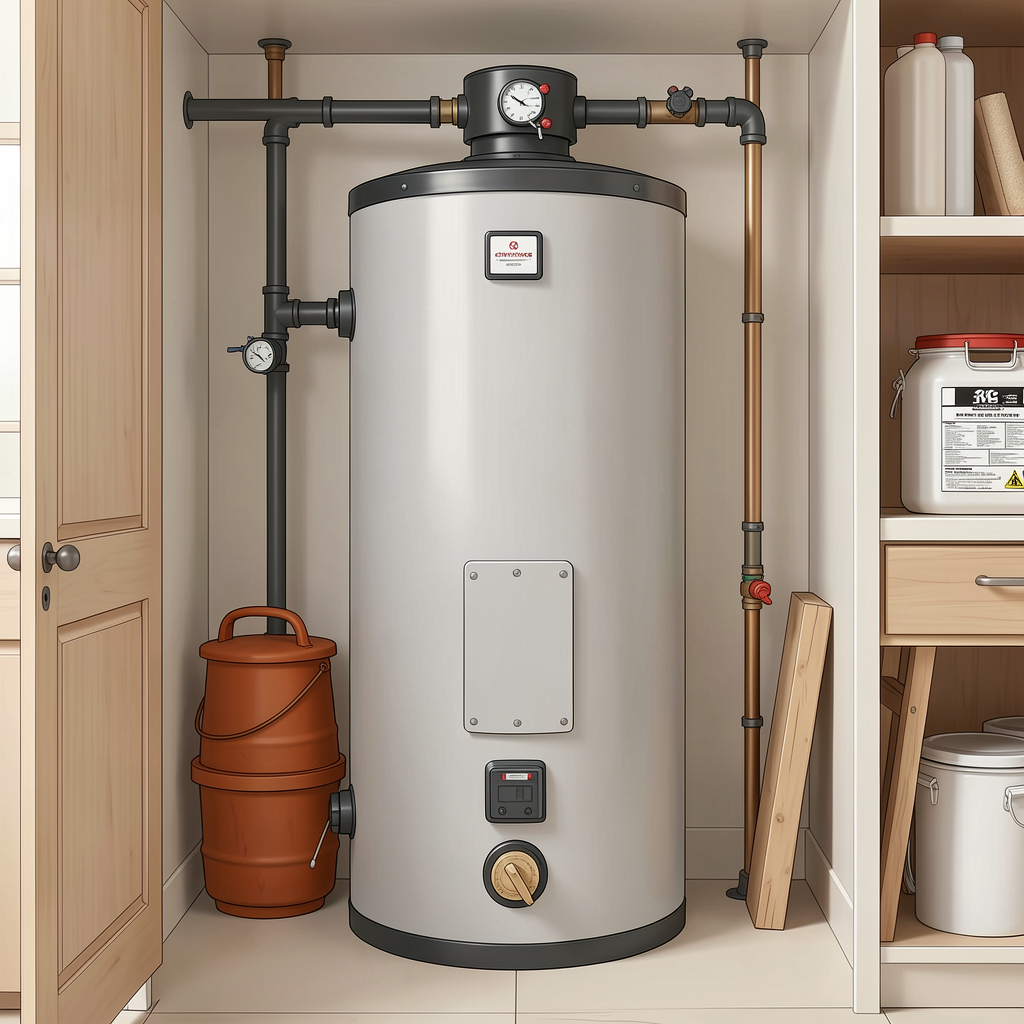
A traditional tank water heater stores hot water in a insulated tank. The heater maintains a ready supply of hot water so you can draw from the tank as needed.

  • Stores hot water in a tank, typically located in a utility area or basement.
  • Common tank sizes include 20, 30, 40, and 50 gallons, with larger families often using 40–80 gallons.
  • Recovery time depends on tank size and burner or element; it refills and heats water after drawdown.
  • Advantages: straightforward operation, reliable, quick access to hot water after a draw.
Tankless Water Heater

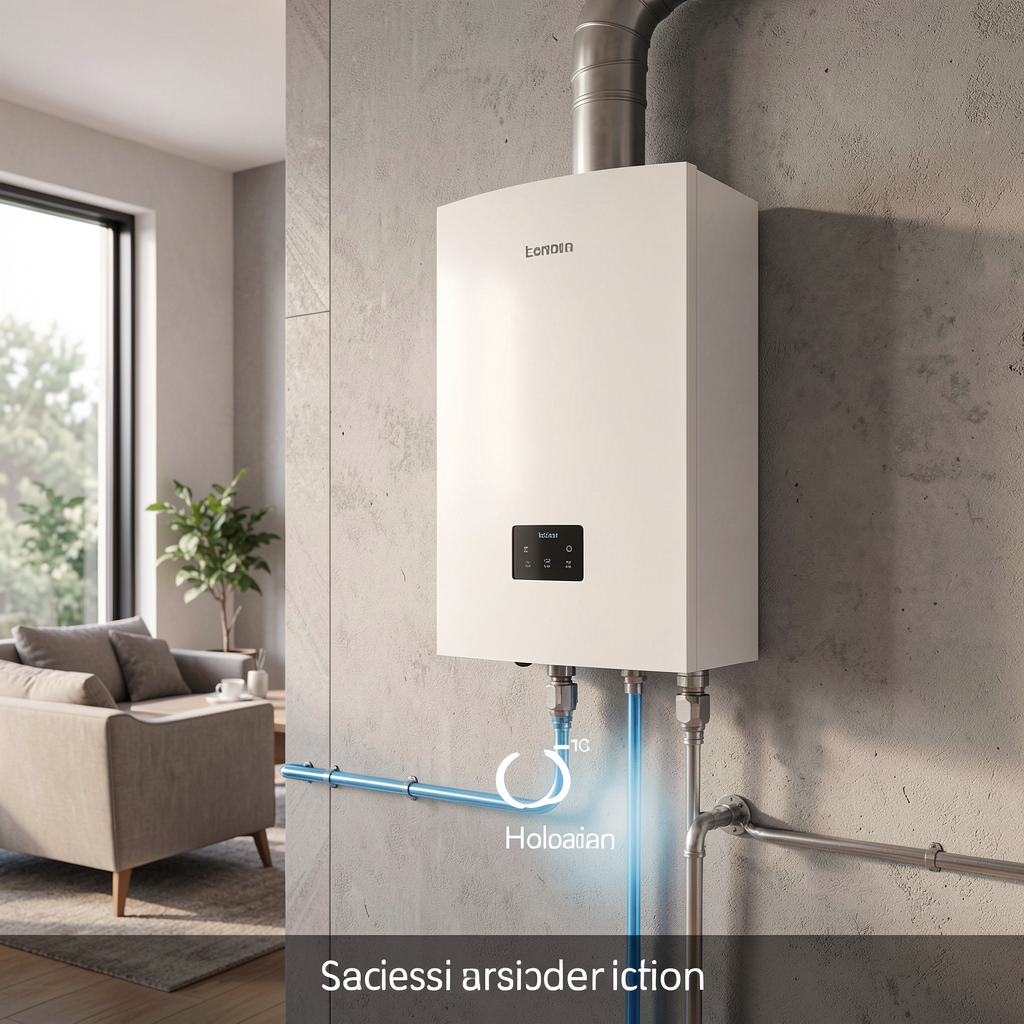
A tankless unit heats water on demand, so there is no standby storage. When you turn on a hot water tap, the unit heats the water as it flows.

  • Heats water on demand, eliminating the standby energy losses of a tank.
  • Does not store hot water; uses an on-demand heat exchanger instead.
  • Continuous hot water capability when sized correctly for your flow needs.
  • Compact design; can be mounted on a wall, freeing up space.

Side-by-Side Comparison

Compare practical, easy-to-understand implications of Traditional Tank vs. Tankless Water Heaters. Costs, efficiency, maintenance, and suitability vary with your home and usage. This table presents clear guidance to help you decide.

Feature Traditional Tank Tankless Water Heater
Initial purchase cost Lower upfront unit cost; typical range $400–$1,800 Higher upfront; unit plus installation often $1,500–$4,500
Installation cost Lower; simpler installation Higher; venting, gas/electric upgrades, sizing
Energy efficiency Moderate; standby losses Higher efficiency; on-demand heating
Operating costs Depends on usage; typically higher standby loss Potentially lower over time with steady use
Lifespan Typically 10–15 years Often 15–20+ years
Space requirements Bulky tank; floor space needed Compact; wall-mounted options available
Hot water availability Limited by tank capacity Continuous hot water (rated flow dependent)
Maintenance Annual flushing; anode rod checks Descale regularly; clean filters; annual service
Best household size Small to mid-sized homes Mid to large homes; multi-bath needs
Environmental impact Higher standby losses in some installations Potentially lower energy footprint over time

Benefits of a Traditional Tank Water Heater

Lower upfront cost

The unit itself typically costs less than tankless systems, making the initial purchase more approachable.

Easier installation

Installation is generally straightforward, especially in homes with existing utilities configured for standard storage tanks.

Simpler repairs

Service and parts for traditional tanks are widely available and familiar to many plumbers.

Reliable performance

When sized appropriately, traditional tanks deliver dependable hot water for everyday use.

Ideal for many households

For homes with predictable hot water needs, a traditional tank can meet daily demands efficiently and economically.

Benefits of a Tankless Water Heater

Endless hot water

On-demand heating keeps hot water flowing without relying on a stored supply.

Lower energy consumption

Eliminates standby losses, potentially reducing energy bills over time.

Longer lifespan

With proper maintenance, tankless units often exceed the lifespan of traditional tanks.

Compact design

Wall-mounted units save floor space and preserve utility areas.

Lower long-term operating costs

While upfront is higher, ongoing energy use can be lower for many households.

Which Option Is Right for You?

Scenario 1 — Small household

A couple or single occupant with modest hot water needs.

Recommended option: Traditional Tank Water Heater

Why: Lower upfront cost, simple installation, and adequate supply for limited demand.

Scenario 2 — Large family

Multiple daily routines with higher simultaneous hot water usage.

Recommended option: Tankless Water Heater

Why: On-demand heating supports multiple showers and appliances without depleting supply.

Scenario 3 — Long-term savings focus

Prioritizing energy efficiency and operating costs over time.

Recommended option: Tankless Water Heater

Why: Higher efficiency can lead to meaningful savings over years, especially in larger homes.

Scenario 4 — Budget-conscious homeowners

Tight upfront budget with consideration for total cost of ownership.

Recommended option: Traditional Tank Water Heater

Why: Lower initial investment with predictable maintenance costs.

Maintenance Tips — Tank Water Heater

  • Flush sediment annually to protect efficiency and extend life.
  • Inspect the anode rod every 1–3 years and replace if degraded.
  • Test the pressure relief valve to ensure safe operation.

Maintenance Tips — Tankless Water Heater

  • Descale regularly based on water hardness and manufacturer guidance.
  • Clean inlet filters to maintain proper flow.
  • Schedule professional servicing to verify venting and electrical/gas connections.

Common Questions

Which water heater lasts longer?

Tankless water heaters generally have a longer service life (often 15–20+ years) compared with traditional tanks (typically 10–15 years), assuming proper maintenance and installation.

Does a tankless heater save money?

In many homes, tankless systems reduce energy usage by eliminating standby losses. The upfront investment is higher, but long-term operating costs can be lower with consistent usage and proper sizing.

Can a tankless heater supply multiple bathrooms?

Yes, if correctly sized for the home’s peak flow (gallons per minute). In larger homes or high-demand applications, multiple fixtures may require a higher-capacity unit or staged systems.

How often should a water heater be serviced?

Typically once per year for professional inspection, with additional maintenance as needed for tankless units to prevent mineral buildup.

What size water heater do I need?

Guidance varies by household. A common rule: 1–2 people ~20–30 gal, 3–4 people ~40–50 gal, 5+ people ~50–80 gal. Tankless systems are sized by flow rate (gpm) to meet peak demand.

Replace or repair my current water heater?

If the unit is old (approaching the end of typical lifespan), shows frequent issues, or energy bills are rising, replacement may be more cost-effective in the long run. A licensed plumber can evaluate options and sizing.

Professional Recommendation

The best water heater choice depends on your family size, daily hot water usage, available space, budget, and long-term energy goals. Before making a final decision, consult a licensed plumber who can review your home’s plumbing layout, fuel source, and local energy incentives.

  • Family size and daily usage help determine capacity or flow-rate needs.
  • Available space can favor compact, wall-mounted tankless units or require traditional tanks in utility rooms.
  • Budget and long-term energy goals influence cost-of-ownership decisions.

Always work with a licensed plumber for proper sizing, permits, and installation safety.

Need Help Choosing the Right Water Heater?

Schedule a professional water heater consultation to receive expert recommendations tailored to your home. Our licensed plumbers provide reliable guidance on tank vs. tankless options, installation considerations, and a clear path to optimal comfort and efficiency.

Related Articles

How to Prevent Burst Pipes Before Winter

Practical steps to protect your home’s plumbing from freezing temperatures and pressure spikes.

10 Signs You Need a Professional Plumber

Recognize when it’s time to call in experts to prevent costly damage.

Common Causes of Low Water Pressure

Understand why pressure drops and how to restore steady flow throughout your home.