
Leaks
How to Detect Hidden Water Leaks
Learn practical signs of hidden leaks, quick checks you can perform, and when to involve a licensed plumber to prevent costly damage.
Read moreRegular plumbing maintenance doesn’t have to be difficult or expensive. With a few simple habits, homeowners can avoid unexpected breakdowns, reduce repair costs, conserve water, and extend the life of their plumbing system. This article guides you through practical checks and routines that fit into a busy schedule—so you stay ahead of issues and keep your home comfortable year-round.
Preventative maintenance is one of the smartest investments a homeowner can make. When you act before a problem becomes visible, you save time, money, and the frustration of emergency fixes. Small issues—like a slow drip or a slightly damp cabinet—often precede larger failures that disrupt daily life and threaten the integrity of your home. By investing a few moments each month and season, you create a resilient plumbing system that works quietly in the background.
Think of maintenance as a health check for your home: you’re testing the heart of your house’s water delivery and waste removal, catching wear and tear early, and making sure there’s no hidden moisture behind walls. Simple monthly checks, paired with seasonal routines, keep pipes pristine, fixtures efficient, and water waste to a minimum. A little proactive care today translates into fewer disruptions tomorrow.
This guide is designed for homeowners at every level of experience. You don’t need to be a licensed plumber to implement these practices. The goal is to empower you with reliable, practical steps that you can fit into a weekend routine or even a weekday 15-minute window. Let’s explore how to build a sustainable, cost-effective maintenance habit that protects your home and your peace of mind.
A tiny drip can waste many gallons over a month. Check all taps for dampness around handles, under-sink valves, and pipe joints. Listen for subtle dripping sounds and inspect seals regularly. Addressing even small drips promptly reduces water waste and utility costs.
Look for moisture, corrosion, or mold behind cabinet doors. Tighten loose connections, replace worn washers, and wipe away condensation. Early discovery of moisture prevents hidden damage to cabinetry and walls.
Test for silent leaks with a dye test in the tank and observe the bowl. Check for a loose base, ensure the fill valve stops when the tank is full, and replace worn flapper or seals to avoid ongoing water loss.
Remove hair and debris regularly. A simple drain comb or plunger can keep water flowing and reduce clog risk. Avoid harsh chemical cleaners that can erode pipes; opt for mechanical cleaning or enzyme-based solutions.
Use a simple home gauge or faucet flow test to identify unusually low or high pressure. If pressure is inconsistent across fixtures, there may be a supply issue or hidden obstruction needing attention.
Look for rust, corrosion, cracks, or water stains along exposed lines. Early signs of wear are clues that components should be replaced before leaks occur.
Some tasks benefit from a licensed plumber’s expertise to ensure safety, code compliance, and long-term reliability. The following six services are commonly performed by professionals, especially when dealing with complex systems or potential hazards.
Flush the tank to remove sediment, improve efficiency, and extend the unit’s life.
Insert a small camera to inspect drains for blockages and pipe condition without invasive digging.
Assess sewer lines for cracks, roots intrusion, and buildup that could lead to backups.
Utilize specialized equipment to locate hidden leaks behind walls and under slabs.
Ensure consistent water pressure and protect appliances from pressure spikes.
Comprehensive assessment of the entire system to identify vulnerabilities and maintenance needs.
Use this calendar as a simple rhythm to keep your system healthy. Adapting the schedule to your climate and home age is smart, but the core idea remains: regular checks beat costly repairs. If you notice any change in performance between calendar events, schedule a professional assessment sooner.
A comprehensive professional inspection every 12–24 months is sensible for most homes. If you notice visible leaks, rising water bills, or irregular water pressure, seek an earlier assessment. Regular checks by homeowners are complementary to professional inspections.
Flushing a water heater annually or per manufacturer guidance can improve efficiency and longevity by removing sediment buildup. If you have a tankless system, follow the service guidelines provided by the installer.
Yes. Even small leaks can lead to hidden water damage, mold growth, and elevated utility costs. Addressing leaks early is one of the most impactful maintenance steps you can take.
Regularly remove hair and debris, use mechanical cleaning methods, and consider enzyme-based cleaners that are gentler on pipes. Avoid pouring grease and chemical drain cleaners down drains as they can damage piping over time.
Inspect hoses at least every 1–2 years and replace them if signs of wear, bulging, or cracking appear. Upgrading to stainless steel braided hoses can improve reliability.
If you encounter persistent leaks, suspect sewer or gas-related issues, major slab leaks, or if you’re uncomfortable performing basic checks, it’s wise to contact a licensed plumber to diagnose and repair safely.
Schedule a preventative plumbing inspection to identify small issues before they become expensive repairs. Our licensed technicians provide a thorough evaluation, practical recommendations, and clear next steps to protect your home.
Learn practical signs of hidden leaks, quick checks you can perform, and when to involve a licensed plumber to prevent costly damage.
Read more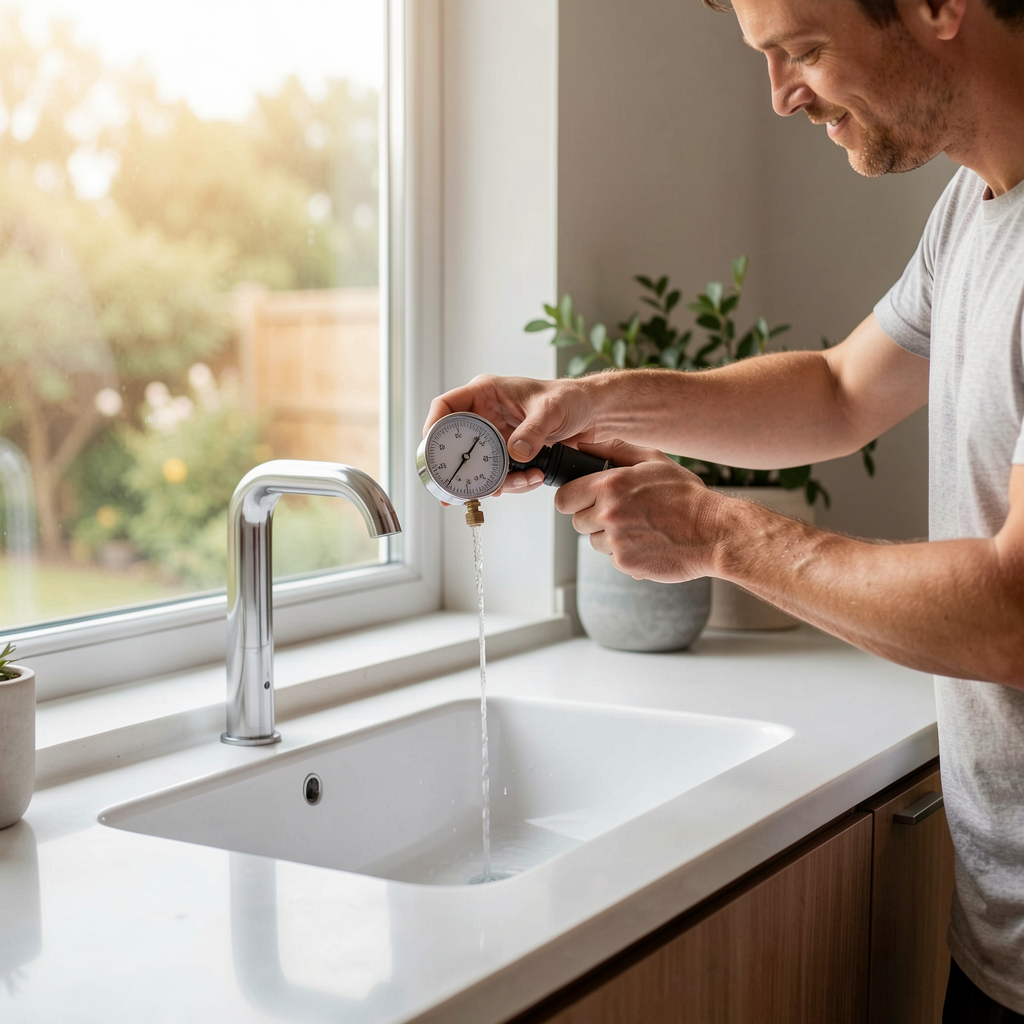
Understand root causes from mineral buildup to clogged lines and learn steps to restore steady, reliable pressure.
Read more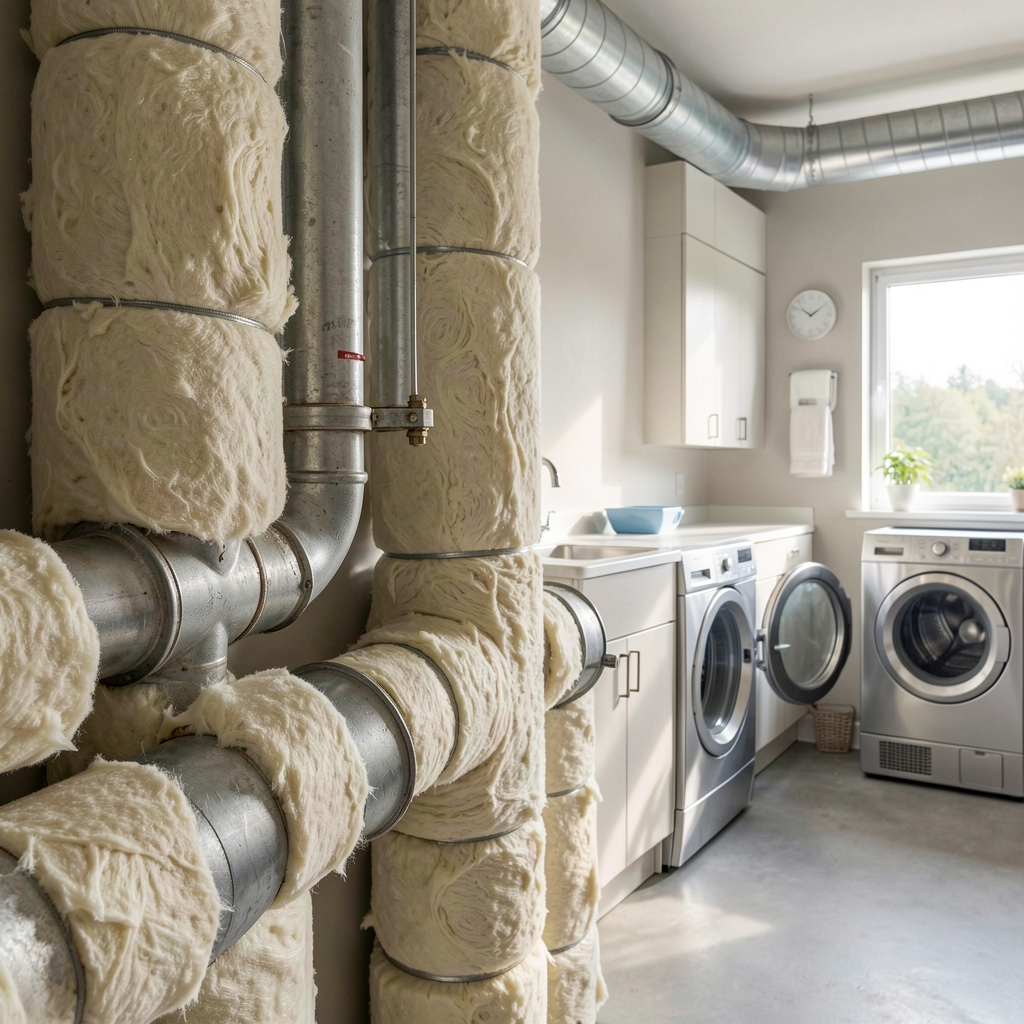
Tips on insulation, water shut-offs, and seasonal checks to mitigate freezing risks and costly pipe failures.
Read more