Plumbing Tips

How to Prevent Burst Pipes Before Winter

Publication date: TBD Estimated reading time: 7–8 minutes

Winterising your home doesn’t have to be complicated. Bursting pipes remain one of the most costly and disruptive plumbing emergencies a household can face. With a thoughtful plan and a few practical steps, you can protect your home, save thousands in potential repairs, and keep your family safe while the temperatures drop. This guide provides clear, actionable measures any homeowner can follow, from securing exposed pipes to maintaining steady indoor temperatures.

Introduction

Burst pipes are often the result of a perfect storm: frigid nights, uninsulated or poorly protected water lines, and plumbing fixtures that aren’t prepared for cold strain. When temperatures dip, water expands as it freezes. In enclosed pipes, that expansion has nowhere to go but back against the pipe walls, creating pressure that can crack or burst even sturdy copper or PVC systems. The cost is not just the repair, but the potential flood damage, mold growth, and insurance hassles that follow.

A modest amount of preparation can prevent many of these problems. This guide walks you through practical, step-by-step measures that any homeowner can implement—often with materials found around the home improvement store—and explains why each action matters. Its aim is to empower you to protect your property, minimize risk, and approach winter with confidence.

By following these best-practice preventative steps, you’ll reduce the odds of a costly emergency while maintaining a calm, controlled approach to winter readiness. Let’s begin with the essentials: understanding how pipes fail in cold weather and what you can do today to avert disaster.

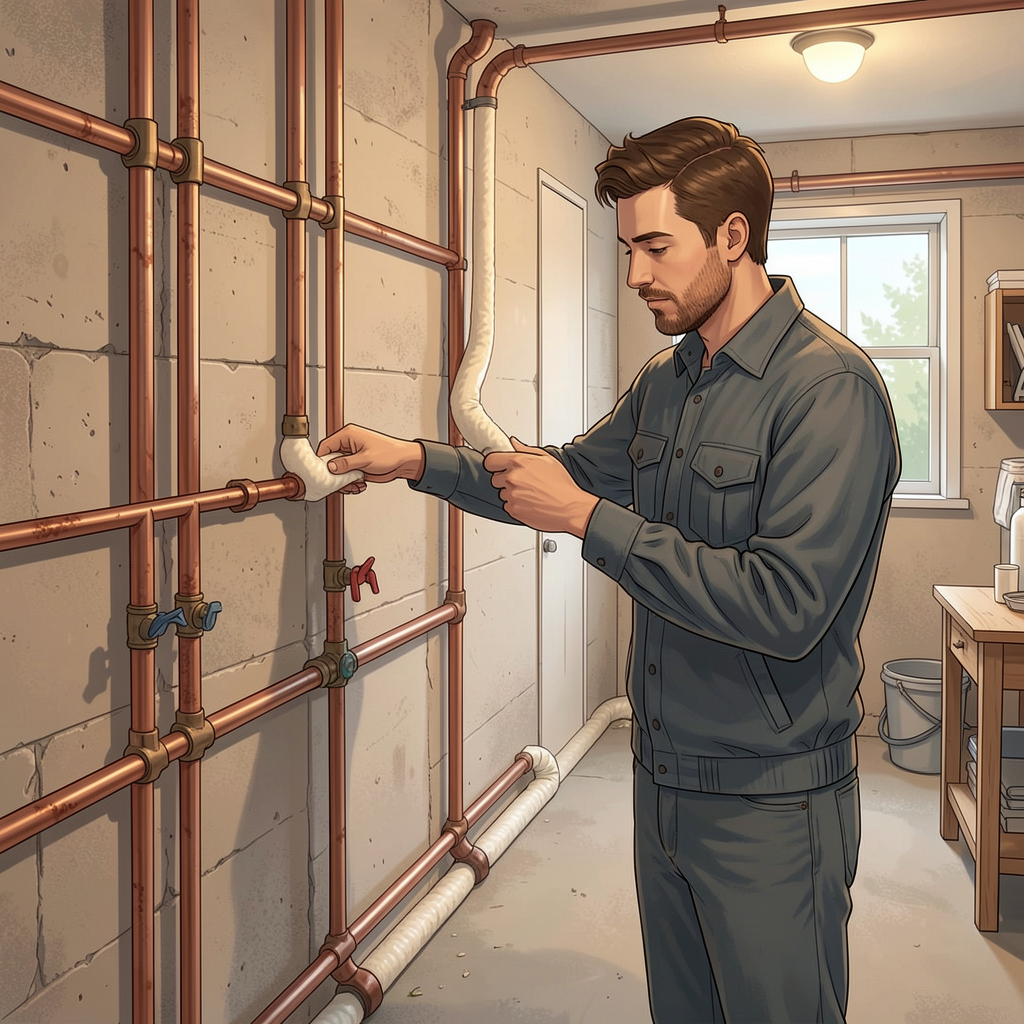
Illustration of insulating pipes in a home

Why Pipes Burst

When temperatures drop, water inside household pipes contracts briefly, then expands as it freezes. Ice takes up more volume than liquid water, and because solid ice is rigid, the surrounding pipe must withstand significant pressure. If a pipe is constrained—by a wall, a tight space, or insulation gaps—the pressure increases until the pipe yields, cracks, or bursts. The resulting flood can quickly lead to water damage, warped materials, and expensive remediation.

Several factors influence whether a pipe will fail. Long, exposed runs in unheated spaces—like basements, crawlspaces, or exterior walls—are most at risk. Pipes without adequate insulation or those in areas that experience sudden temperature drops during cold snaps are also particularly vulnerable. Even small things, like a drafty gap around a door or window, can lower local temperatures enough to threaten piping in adjacent walls.

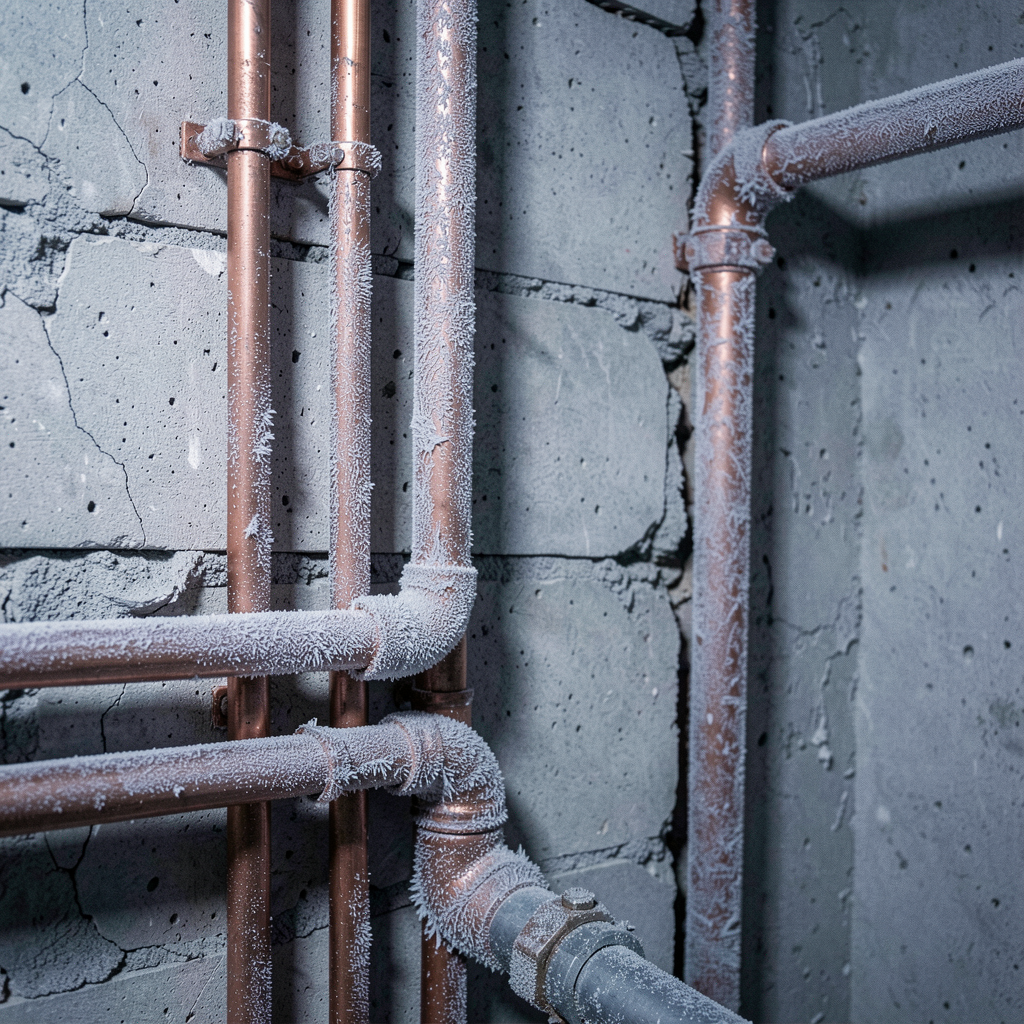
Frosted exposed pipes in a basement

What makes winter particularly dangerous is the combination of subfreezing temperatures and variability in home heating. A sudden thermostat drop or a power outage that disables a furnace or heat source can plunge portions of your home into a rapid cold snap. Even a short period of extreme cold can cause pipes in vulnerable locations to freeze, expand, and eventually fail.

Vulnerable pipes typically include copper or plastic supply lines in exterior walls, attics, garages, basements, or crawlspaces, as well as any pipe that runs through unheated rooms. Poor insulation, gaps around pipe penetrations, and previously damaged sections increase susceptibility. The most common causes of winter plumbing failures are inadequate insulation, forgotten outdoor fixtures, and failing heat systems during cold events.
Step-by-Step Winter Preparation

1

Inspect exposed pipes

Begin with pipes that are in unheated or semi-heated spaces—basements, garages, and crawlspaces. Look for signs of wear, including small leaks, corrosion, cracking, or dampness around fittings. Check for areas where insulation has fallen away, gaps around walls, or pipes pressed against sharp edges. Any vulnerability identified here should be prioritized for protection.

2

Insulate vulnerable pipes

Install foam pipe insulation around exposed hot and cold water lines in unheated spaces. Ensure insulation covers entire exposed length and seal joints with appropriate tape or mastic. For small gaps near exterior walls or around penetrations, apply foam sealant to reduce air leaks that chill pipes.

3

Seal cracks and gaps

Inspect areas where cold air can infiltrate—around doors, windows, and where pipes pass through walls. Seal cracks with caulk or foam sealant, and consider adding weatherstripping to reduce drafts. Every degree of warmth retained near pipes matters when temperatures drop.

4

Disconnect outdoor hoses

Remove hoses from exterior spigots and drain remaining water from hoses and bibs. Outdoor hoses can freeze and carry water back into indoor piping. Store hoses for winter to prevent cracking and to reduce ice-related pressure in connected lines.

5

Drain exterior faucets

Open exterior faucets to allow any residual water to drain out. After draining, close the fixtures to prevent backflow and frost damage. Confirm water is no longer flowing through these lines and consider insulating any exposed exterior plumbing.

6

Know where your main water shut-off valve is located

Locate and label your main shut-off valve so you can quickly stop water flow if a pipe bursts. Practicing the shut-off procedure with all household members helps prevent confusion during an emergency.

7

Keep indoor temperatures consistent

Maintain a steady house temperature to prevent cold spots where pipes are most at risk. A simple rule of thumb is to keep living spaces at or above 65°F (18°C) during extreme cold, and consider a programmable thermostat to prevent unintended drops when you’re away.

Warning signs

Frozen pipes are a warning that they could fail if temperatures stay low. Look for these indicators and take action promptly to minimize risk.

  • Reduced water flow
  • Frost on exposed pipes
  • Strange noises from pipes (creaking or popping)
  • No running water in fixtures
  • Damp or discolored walls near plumbing access points

What to do if you suspect a frozen pipe

  1. Shut off the water at the main valve if you detect a rupture or suspect a burst. This helps minimize flooding and water damage.
  2. Gradually warm the pipe. Use a hair dryer, warm towels, or space heater directed at the pipe—do not apply direct heat or open flames.
  3. Never use an open flame to thaw a pipe. This is a major fire hazard and dangerous in an indoor environment.
  4. Call a professional plumber if you’re unsure about the pipe condition or if you cannot safely restore water supply.

Winter Plumbing Checklist

  • ✔ Inspect exposed pipes
  • ✔ Install insulation
  • ✔ Disconnect hoses
  • ✔ Drain outdoor faucets
  • ✔ Seal air leaks around pipes
  • ✔ Test shut-off valve
  • ✔ Schedule a plumbing inspection

Frequently Asked Questions

Can pipes freeze in Texas?

Yes, even in milder climates, unheated spaces like garages, attics, or exterior walls can experience temperatures low enough to freeze pipes when cold fronts arrive. Preparation matters regardless of regional climate. Insulation, sealing gaps, and ensuring interior warmth in vulnerable areas reduces risk.

Should I leave faucets dripping?

In extremely cold conditions, allowing a small amount of water to drip from faucets served by vulnerable pipes can prevent freezing by relieving pressure. However, this is not a substitute for insulation and proper winterization. Use this tactic selectively and in conjunction with other preventative steps.

How much does pipe insulation cost?

Pipe insulation is a cost-efficient preventative measure. Basic foam sleeves for standard pipes are inexpensive, typically a few dollars per foot, with higher-performance or specialty insulation marginally more. The overall savings from avoided repairs often far exceed the upfront material cost.

When should I call a plumber?

If you notice visible pipe damage, persistent leaks, severe frost in unheated spaces, or you’re unsure how to safely thaw pipes, it’s wise to contact a licensed plumber. Early professional assessment can prevent minor issues from becoming major emergencies.

Need Help Preparing Your Plumbing for Winter?

Our licensed professionals can assess your home’s risk, install essential protections, and perform a thorough winter readiness inspection. Schedule a professional plumbing inspection today to safeguard your home before winter arrives.

Related Articles

Thumbnail: 10 Signs You Need a Professional Plumber

10 Signs You Need a Professional Plumber

A practical checklist to help homeowners recognize when to call in a pro.

Thumbnail: Common Causes of Low Water Pressure

Common Causes of Low Water Pressure

Diagnose and fix the usual suspects behind weak water flow.

Thumbnail: How to Detect Hidden Water Leaks

How to Detect Hidden Water Leaks

Simple methods to uncover leaks that hide behind walls and under floors.