Austin Premier Plumbing
Leak Detection

How to Detect Hidden Water Leaks

Hidden leaks often go unnoticed for weeks or months, quietly causing expensive structural damage, mold growth, and higher utility bills. Early detection can save homeowners thousands of dollars in repair costs.

Publication date: Placeholder Estimated reading: 8–10 minutes Author: Austin Premier Plumbing Team

Introduction

Hidden water leaks are among the most common and insidious problems homeowners face. A small, persistent drip behind a wall or beneath a floor can go undetected for months, quietly wasting water and driving up bills while compromising the integrity of your home. In many cases, the first sign is not a steady stream but a subtle change in comfort, damp odor, or a hidden moisture hotspot that only becomes obvious after significant damage has occurred.

Leaks tucked behind walls, under floors, inside ceilings, or even underground often remain invisible until serious damage appears. By the time you notice staining, soft spots, or a musty smell, you may already be facing costly repairs. Regular inspections and a proactive approach to warning signs can prevent major repairs and help protect your home’s value.

This article provides practical guidance on recognizing hidden leaks, understanding what to check during routine maintenance, and knowing when to call a licensed plumber. Our goal is to empower homeowners with trustworthy information, so you can act early and avoid the disruption and expense that come with extensive water damage.
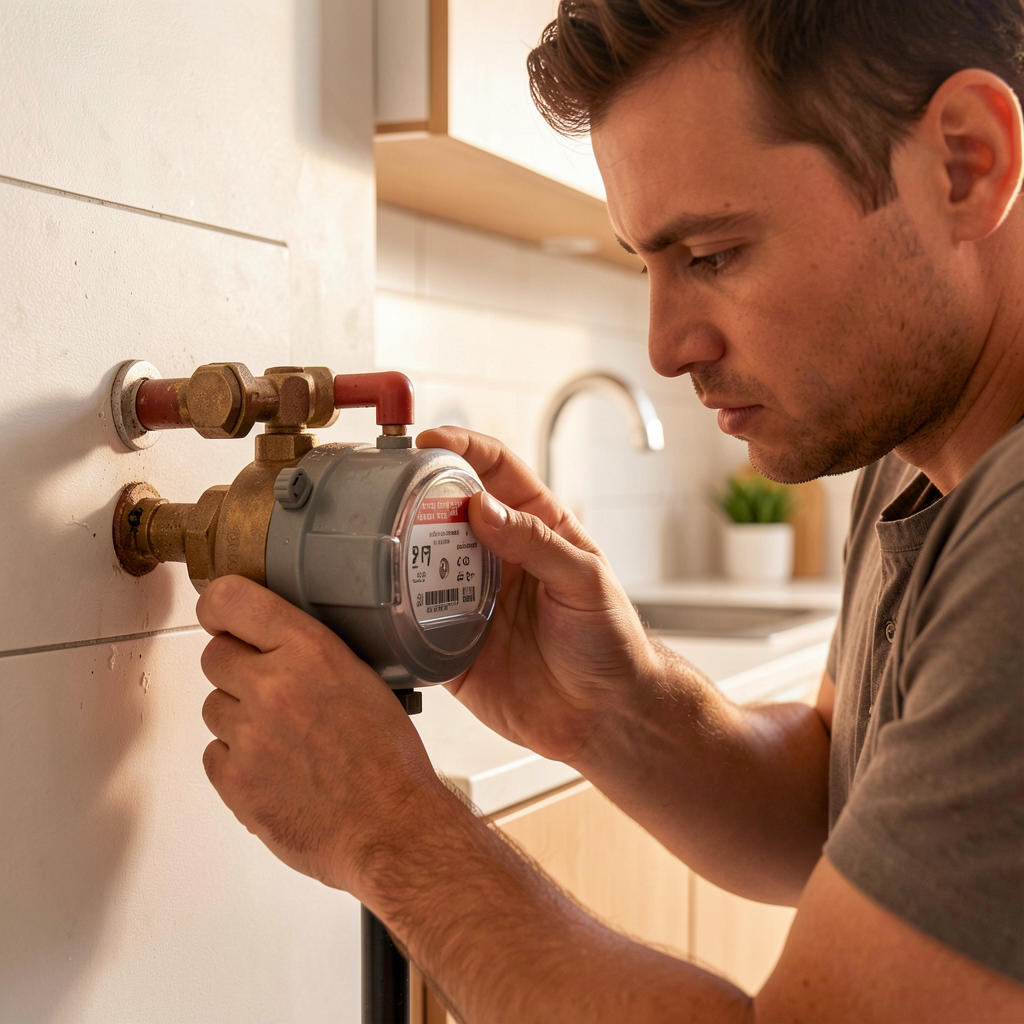
Homeowner inspecting water meter

Why Hidden Leaks Are Dangerous

Structural Damage

Hidden leaks undermine structural integrity. Persistent moisture softens wood framing, corrodes studs, and can cause drywall to warp or buckle. Over time, these tiny compromises add up, leading to costly repairs and, in worst-case scenarios, unsafe living spaces.

Mold and Mildew

Moist environments invite mold and mildew growth. Beyond health concerns, mold can spread quickly through walls and ceilings, necessitating extensive remediation, odor control, and potential furniture or structural replacement.

Increased Water Bills

A leak can silently siphon gallons daily. Even a small leak, left unchecked, can add hundreds of dollars to monthly water bills. Detecting and repairing leaks promptly helps you retain water and money.

Insulation Damage

Moisture inside walls and around pipes reduces insulation efficiency, causing greater heat loss in winter and heat gain in summer. This not only raises energy costs but can accelerate deterioration of insulation materials.

Foundation Concerns

Underground leaks can erode soil, settle foundations, and lead to cracks or uneven floors. Early detection minimizes the risk of structural failure and keeps your home safe and stable.

Health Impacts

Excess moisture creates an environment conducive to allergens and bacteria, potentially aggravating respiratory issues and allergies. Controlling moisture is essential for a healthy home environment.

10 Warning Signs of a Hidden Water Leak

  1. 1

    Unexpectedly High Water Bills

    Unexplained spikes in water usage are a common clue. If your bill rises without a clear reason—seasonal changes, devices modified, or lifestyle shifts—it’s worth inspecting for hidden leaks behind walls, under floors, or underground.

  2. 2

    Damp or Discoloured Walls and Ceilings

    Water stains, bubbling paint, peeling wallpaper, or soft drywall can indicate moisture seeping from hidden leaks. These signs become more evident over time and warrant prompt investigation.

  3. 3

    Musty or Moldy Odours

    Persistent damp smells can indicate hidden moisture behind walls or under flooring. Mold can spread quickly, even if you don’t see obvious water leaks, so early detection is key.

  4. 4

    Reduced Water Pressure

    If multiple fixtures lose pressure simultaneously or your shower head drips when off, a leak in the pipework may be the culprit. Pressure changes can indicate hidden problems that warrant professional assessment.

  5. 5

    Warm or Wet Spots on Floors

    Slab leaks or hidden moisture can create warm or damp patches on floors, especially near slabs or in basements. These anomalies often precede more visible damage and should be investigated early.

  6. 6

    Sounds of Running Water

    Hearing water flow when fixtures are off can point to a concealed leak. If you notice a faint roar or ticking sound from walls or floors, it’s wise to check meters and consult a pro.

  7. 7

    Cracks in Walls or Foundations

    Long-term underground leaks can cause soil movement, leading to cracks or foundation shifts. Early detection helps prevent structural deterioration and costly repairs.

  8. 8

    Mold Growth Without Obvious Cause

    Unexplained mold in areas without visible plumbing leaks often signals hidden moisture. Investigate moisture sources behind walls and floors, as proactive remediation reduces risk of large-scale damage.

  9. 9

    Constantly Running Water Meter

    If your water meter shows activity even when no water is being used, a concealed leak may be present. A simple meter test over a couple of hours can reveal hidden issues before they escalate.

  10. 10

    Low Water Pressure Throughout the Home

    A whole-house pressure drop can indicate a concealed plumbing leak or a failing main line. Persistent low pressure warrants a professional assessment to locate the source and prevent further damage.

Simple Home Leak Detection Checks

  • ✓ Read the water meter before and after two hours of no water use.
  • ✓ Inspect under sinks for damp cabinets or dampness at joints.
  • ✓ Check behind toilets for dampness, soft flooring, or water stains.
  • ✓ Inspect outdoor faucets and irrigation lines for damp spots or continuous trickle.
  • ✓ Look for damp drywall, bubbling paint, or discoloration on walls and ceilings.
  • ✓ Check ceilings after rainfall for signs of roof or plumbing leaks seeping into the home.
  • ✓ Listen for unusual plumbing noises when fixtures are off.

These checks are safe for homeowners and can help identify early warning signs. If any item raises concern, schedule a professional evaluation. Early action minimizes disruption and reduces repair costs.

How Professional Plumbers Detect Hidden Leaks

Electronic Leak Detection

Electronic sensors monitor moisture levels and flow patterns to locate hidden leaks without invasive digging. This approach minimizes property damage while pinpointing suspect areas for repair.

Acoustic Listening Equipment

Acoustic devices listen for the distinct sounds of water flowing through pipes. Trained technicians interpret the sounds to identify leaks with precision, often before visible damage occurs.

Thermal Imaging

Thermal cameras reveal temperature differences caused by moisture behind walls. This non-invasive method helps detect leaks behind finished surfaces without breaking them open.

Moisture Meters & Pressure Testing

Probes measure moisture in building materials and pressure testing confirms the integrity of pipe systems. Together, these techniques provide a comprehensive picture of hidden moisture and potential leaks.

Video Pipe Inspections

Small cameras inside plumbing lines reveal conditions inside the pipes. This allows plumbers to identify cracks, blockages, or corrosion without excessive destruction of your home.

Minimizing Damage

Modern leak detection aims to minimize unnecessary damage during inspections. By targeting precise locations, plumbers reduce disruption and protect your property while confirming the leak source.

What to Do If You Suspect a Leak

  1. 1. Turn off unnecessary water use. Conserve water to minimize potential damage while you assess the situation.
  2. 2. Document visible damage. Take photos of any damp spots, stains, or mold growth for records and insurance purposes.
  3. 3. Monitor the water meter. Check the meter before and after a two-hour period with no water use to detect changes indicative of a hidden leak.
  4. 4. Shut off the main water supply if a major leak is suspected. If you hear continuous water flow or see significant pooling, shut off the main valve and call a professional promptly.
  5. 5. Contact a licensed plumber promptly. A trained technician can confirm whether a leak exists, locate it, and recommend a safe, effective repair plan.

Preventing Future Leaks

  • Schedule annual plumbing inspections. Regular checkups help catch wear, corrosion, and small issues before they become leaks.
  • Replace aging pipes. Consider upgrading older materials prone to failure during routine maintenance or colder seasons.
  • Repair small leaks immediately. A minor drip can worsen quickly if ignored, increasing damage and costs.
  • Monitor monthly water bills. Track usage to detect anomalies early in the cycle.
  • Protect plumbing during freezing weather. Insulate exposed pipes and know how to shut off water in emergencies.
  • Install water leak detection devices where appropriate. Early alerts on moisture can prevent widespread damage.

Frequently Asked Questions

How can I tell if I have a slab leak?

Slab leaks often present as warm or damp spots on floors, persistent moisture in basements, or unusually high water bills without explanation. A licensed plumber can perform meter tests, thermal imaging, and pressure testing to confirm the presence and location of a slab leak.

Can hidden leaks increase my water bill?

Yes. Hidden leaks can waste substantial volumes of water over time. Even small leaks, if left unchecked, can lead to a noticeably higher water bill and hidden structural damage.

Is mold always caused by plumbing leaks?

Not always, but moisture is a key factor. Hidden leaks, poor ventilation, and roof or HVAC-related moisture can all contribute to mold growth. A thorough moisture assessment helps identify the root cause.

How often should plumbing be inspected?

A professional inspection every 1–2 years is prudent for most homes, with more frequent checks for older piping, high-water-use households, or homes in climates with freezing temperatures.

Can homeowners detect leaks themselves?

Some signs you can detect include damp patches, rising bills, sounds of running water when fixtures are off, and visible moisture. However, accurate detection and leak location typically require professional tools and expertise.

When should I call a professional plumber?

If you notice persistent dampness, unexplained water usage, or suspect a hidden leak after basic checks, contact a licensed plumber promptly. Early intervention minimizes damage and cost.

Think You Have a Hidden Water Leak?

Schedule a professional leak inspection today. Detecting leaks early can prevent major property damage, protect your family's health, and save you thousands in costly repairs.

Common Causes of Low Water Pressure

Understand how age, mineral buildup, and leaks impact pressure and what you can do to protect your home.

10 Signs You Need a Professional Plumber

Know when it’s time to call in experts to prevent costly damage and downtime.

How to Prevent Burst Pipes Before Winter

Proactive winterization steps to minimize the risk of pipe bursts and water damage.

Austin Premier Plumbing

Premium, trusted plumbing services for homeowners. Educate, protect, and act with confidence.

Contact

123 Premium Ave, Suite 400
City, ST 12345
(555) 010-1234

Hours

Mon–Fri: 7:00am – 6:00pm
Sat: 8:00am – 4:00pm
Sun: Closed

© 2026 Austin Premier Plumbing. All rights reserved.