Persistent Low Pressure
When pressure remains low across most or all fixtures over an extended period, it’s time for a comprehensive system check. A professional can identify hidden faults and recommend durable fixes that restore reliable flow.
Low water pressure can be incredibly frustrating for daily tasks—from a shower that barely rinses shampoo away to a dishwasher that takes forever to fill. Yet in many homes, reduced pressure is not a single fault but a symptom pointing to one or more underlying plumbing issues. By understanding the possible causes, homeowners can decide when a quick, simple fix will do and when it’s time to call a licensed plumber for a thorough assessment.

Consistent, reliable water pressure is a cornerstone of everyday comfort. When you turn on a faucet or shower, you expect a steady, predictable flow that makes tasks efficient rather than tedious. Unfortunately, many homes experience periods of low pressure that can vary by fixture or time of day. The effects go beyond inconvenience: appliances like washing machines and dishwashers depend on adequate flow to perform effectively, and inconsistent pressure can lead to longer cycle times, incomplete rinses, or higher utility bills over time.
Investigating the cause of persistent low water pressure isn't just about restoring comfort; it’s about protecting your plumbing system. Some issues are minor and approachable with simple maintenance, while others reflect aging infrastructure or a need for more extensive repairs. In many cases, a licensed plumber can pinpoint the root cause quickly, providing a clear plan of action and preserving the long-term integrity of your home’s water delivery system.
This guide walks you through common symptoms, practical quick fixes, and the most frequent root causes—together with guidance on when to schedule a professional evaluation. Our goal is to empower homeowners with knowledge so you can make informed decisions and move forward with confidence.
Identifying the signs early can prevent minor annoyances from escalating into larger, costly problems. Start by assessing the symptoms across fixtures and times of day. If multiple fixtures are affected simultaneously, the issue is more likely related to the main supply or a centralized component. If only a single faucet or shower is underperforming, the cause might be isolated to that fixture.
A systematic approach helps distinguish between a fixture-level problem and a whole-home issue. For example, if a single sink drains slowly while the others perform normally, a clogged aerator or a closed shut-off valve could be the culprit. Conversely, if the entire house experiences reduced pressure, you may be dealing with a municipal supply issue, a failing pressure regulator, or aging piping. Understanding these differences guides you toward the correct next steps—whether a simple cleaning routine or a professional inspection.
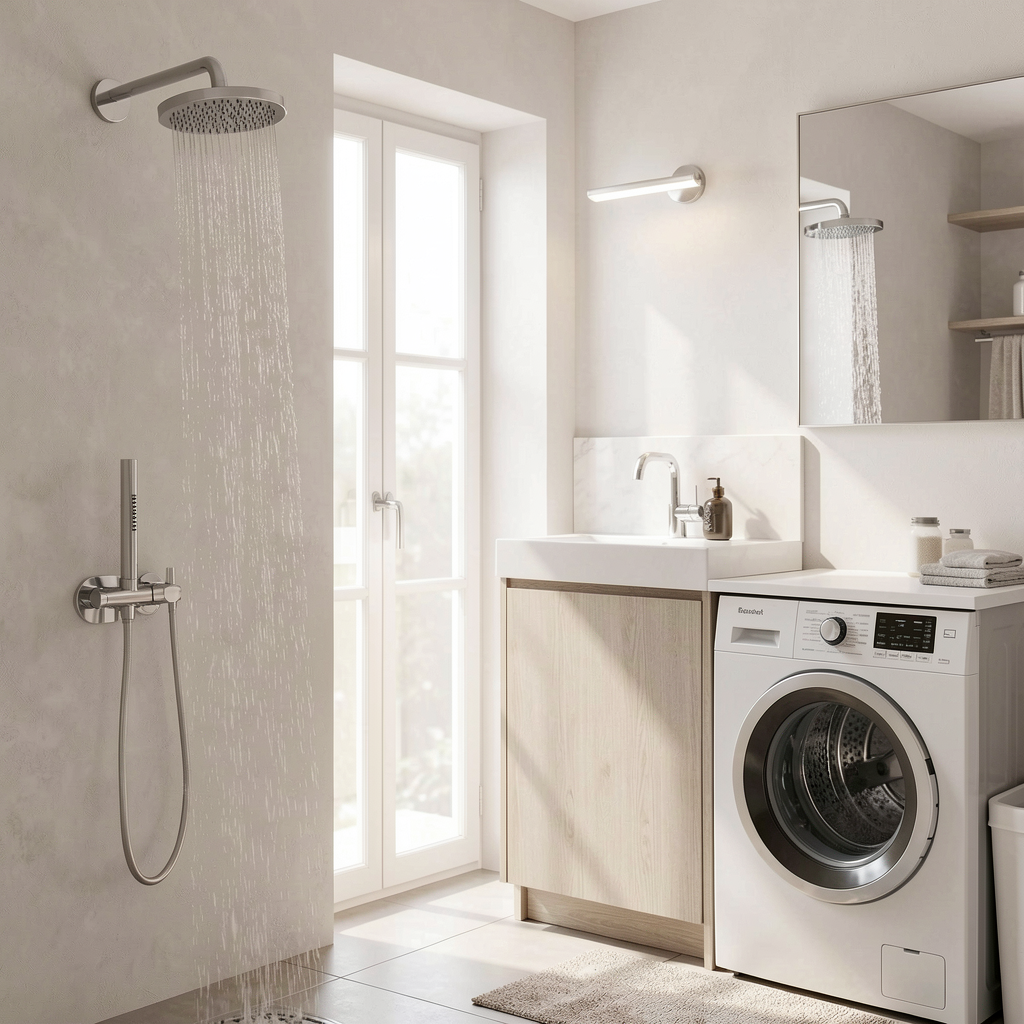
Hard water deposits can accumulate inside aerators and showerheads, creating a labyrinth of tiny passages with restricted flow. Over time, the mineral crust can form a barrier that limits the available area for water to pass through, which reduces the overall pressure you feel at the faucet or shower. The good news is that this is frequently one of the simplest fixes—especially for accessible fixtures.
Regular maintenance is the best defense here. Remove aerators and showerheads, soak them in a solution designed to dissolve mineral buildup, and rinse thoroughly. For safety and effectiveness, use non-abrasive tools and avoid applying excessive force that could damage fixtures. After reassembly, run the faucet or shower to confirm that flow has improved. In many homes, this small step restores pressure significantly without professional intervention.
Even small leaks can steal pressure while quietly draining your water bill. A hidden leak somewhere in the system forces your pump to work harder to maintain flow, and over time the lost water accumulates. Leaks around fittings, under sinks, or in hidden wall cavities may not be obvious, but they can siphon away pressure steadily.
The signs of a leak include higher cooling or heating bills not aligned with usage patterns, damp spots, or a noticeable drop in pressure that isn’t tied to a single fixture. A professional inspection can locate the source with precise pressure testing and leak detection methods, saving water and preventing property damage.
After maintenance or repairs, valves may be left partially closed. The main shut-off valve or the valve feeding individual fixtures can restrict flow if not fully opened. Even a small angle or partial closure reduces pressure, particularly in older homes where valves may not move as freely as they once did.
To check, turn off the water supply to the entire home (or to the affected fixture) and gradually reopen valves to their fully open position. If the pressure improves, you’ve likely found the culprit. If not, other causes may be at play, and a professional assessment is advisable.
Older galvanized steel pipes are prone to corrosion and mineral buildup that gradually narrows the interior diameter. As the interior becomes restricted, water flows less freely, resulting in reduced pressure throughout the home. This is a common issue in homes built several decades ago and often coincides with the need for modernization.
Replacing aging pipes is a bigger project, but it’s essential for long-term reliability. A licensed plumber can evaluate pipe material, assess the extent of corrosion, and propose a replacement plan that minimizes disruption while restoring robust pressure.
Utility work, water main repairs, or unusually high demand in your neighborhood can cause temporary pressure dips. These issues are outside your home's plumbing and typically resolve once the utility's maintenance or demand cycle ends. If you notice pressure fluctuations that coincide with known municipal activities or outages, this may be the explanation.
While you wait for the supply to normalize, avoid overusing pumps or sprinklers that could exacerbate the issue. If the problem persists beyond typical maintenance windows, a professional check can confirm whether a valve adjustment or a plumbing modification on your end could help during peak times.
The pressure-regulating valve (PRV) controls the pressure delivered to the home’s plumbing system. If the PRV fails or becomes misadjusted, the overall pressure can drop or spike unexpectedly. A malfunctioning regulator can cause inconsistent pressure between fixtures and may contribute to leaks or pipe damage over time.
Repairing or replacing a PRV is a task for a licensed plumber. They’ll test the system’s pressure, verify the regulator’s settings, and determine whether the unit should be replaced, resealed, or calibrated to restore stable pressure across the home.
In new homes or after renovations, undersized piping can limit the water’s ability to reach every fixture with adequate momentum. As demand increases—especially in larger homes with multiple baths or high-flow appliances—the existing pipe diameter may struggle to keep pressures steady.
Correcting pipe sizing is a structural modification. A plumber can assess the system layout, determine whether larger supply lines are warranted, and design a plan that minimizes disruption while delivering robust, uniform pressure across floors and rooms.
Sediment buildup inside a water heater can reduce hot water pressure and flow. If the heater tank is full of mineral scale, the delivery of hot water can be slower and less forceful, particularly on the hot side. This not only affects comfort but can also mask broader supply limitations.
A professional evaluation can determine whether flushing the tank, descaling components, or a heater replacement is the right course. In some cases, upgrading to a more efficient unit or adjusting recovery settings can restore consistent hot water pressure across fixtures.
Before calling a plumber, you can try a few safe, non-invasive steps to improve pressure. These are simple, homeowner-friendly checks that often resolve minor issues and prevent unnecessary service calls.
These steps are safe and effective as a first line of defense. If you don’t see improvement after attempting these measures, a professional evaluation is strongly recommended. A licensed plumber can diagnose the underlying cause, recommend the appropriate remediation, and help you prevent future pressure issues.
While many pressure concerns are addressable with careful maintenance, certain indicators require a professional assessment. A licensed plumber can perform precise testing, diagnose less obvious issues, and implement lasting solutions. If you notice one or more of these scenarios, schedule a professional plumbing inspection to protect your home’s water system.
When pressure remains low across most or all fixtures over an extended period, it’s time for a comprehensive system check. A professional can identify hidden faults and recommend durable fixes that restore reliable flow.
Unexplained spikes in water bills or damp spots warrant professional leak detection. A plumber uses specialized tools to locate leaks with minimal disruption and prevent further pressure loss.
The early signs of corrosion in copper or steel pipes require assessment. A pro can determine whether replacement is warranted to prevent future pressure drops and water quality issues.
If hot water pressure is inconsistent or flow is weak, the water heater may be failing or contaminated. A plumber can inspect temperatures, sediment buildup, and overall heating performance to restore proper hot-water pressure.
A malfunctioning regulator can cause unpredictable pressure. A professional can assess if recalibration or replacement is needed to stabilize the system and protect pipes and fixtures.
A comprehensive inspection covers pipes, valves, fixtures, and the water heater. Early detection prevents escalating damage and helps preserve your home’s plumbing health for years to come.
A licensed plumber follows a structured process to identify the root causes of pressure issues. The approach combines hands-on testing, equipment, and professional judgment to ensure a safe, effective solution. Below is a typical sequence, which may be tailored to your home’s unique layout and materials.
Ongoing maintenance is the best defense against sudden pressure drops. Establishing a routine helps identify issues early and keeps your plumbing system operating smoothly. Here are practical steps homeowners can take to maintain optimal water pressure year after year.
Normal residential water pressure typically ranges from 40 to 60 psi. Anything below 40 psi is usually considered low and may warrant investigation, while pressure significantly above 60 psi can cause stress on pipes and fixtures, requiring adjustment or a pressure regulator check.
Yes, inconsistent or very low pressure can impede appliance performance and efficiency. Washing machines and dishwashers rely on steady flow to fill correctly. Repeated strain may shorten appliance life or yield incomplete cycles if pressure remains chronically low.
Hot-water pressure may be affected by sediment buildup in the water heater, faulty mixing valves, or issues with hot-water supply lines. If cold water pressures are normal but hot water is weak, a heater inspection can identify mineral scale, overheating, or other culprits.
Hard water itself doesn’t reduce pressure directly, but mineral buildup inside fixtures and pipes can constrict flow over time, resulting in perceived lower pressure. Regular cleaning and descaling help mitigate this effect.
Galvanized pipes are prone to corrosion and scaling, which can dramatically reduce pressure. If inspection shows significant deterioration, replacement with copper or PEX/TPVC may be recommended to restore consistent pressure and improve water quality.
Plumbers use pressure gauges at fixtures and main lines, record static and dynamic pressures, and compare readings. They may also perform flow tests to diagnose valve performance, regulator function, and potential leaks that affect pressure.
If you’re still experiencing low water pressure after trying safe, home-based fixes, it’s time to schedule a professional plumbing inspection. Our licensed plumbers provide a thorough assessment, clear recommendations, and solutions designed to restore comfortable, predictable water flow to your home.
Here are a few related reads to help you understand common home plumbing concerns and how to prevent issues before they affect your daily routines.
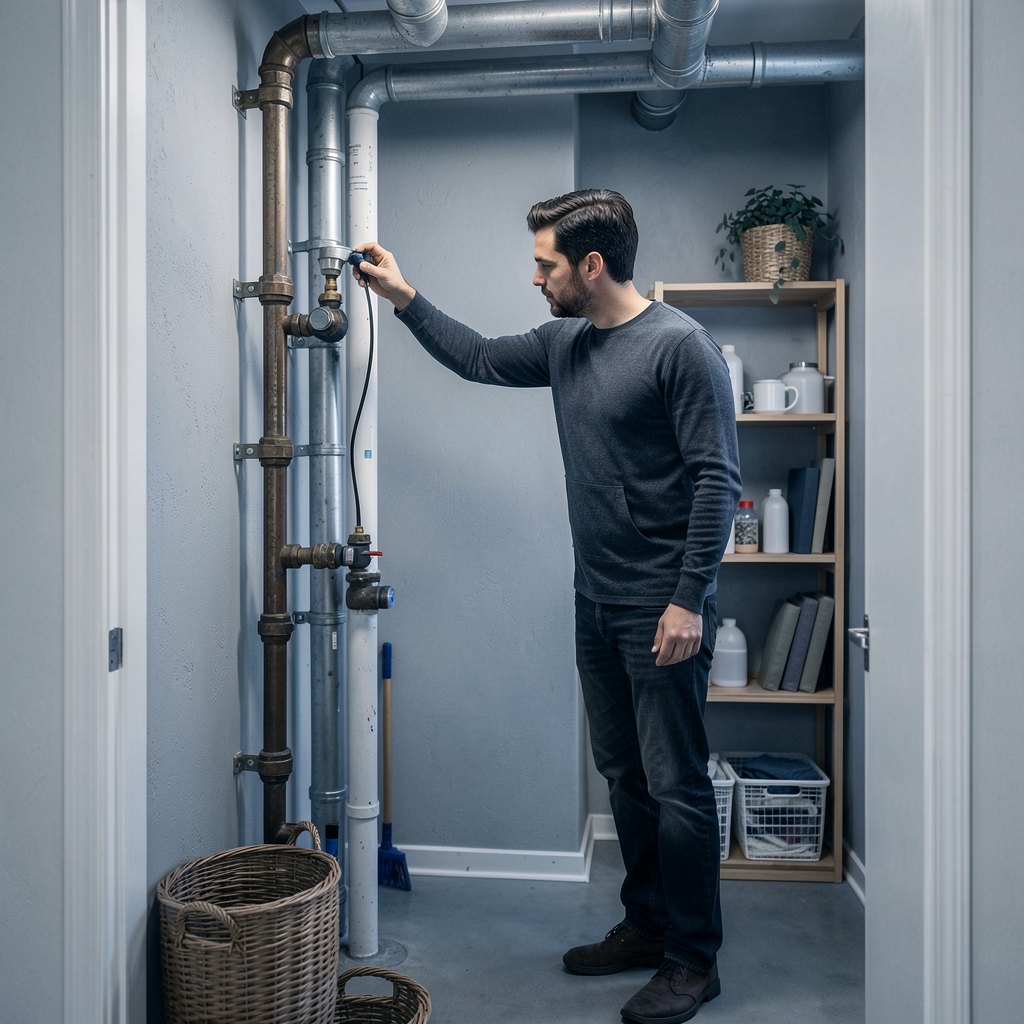
Explore preventive steps to protect your plumbing from freezing temperatures and pressure-related failures during the cold season.
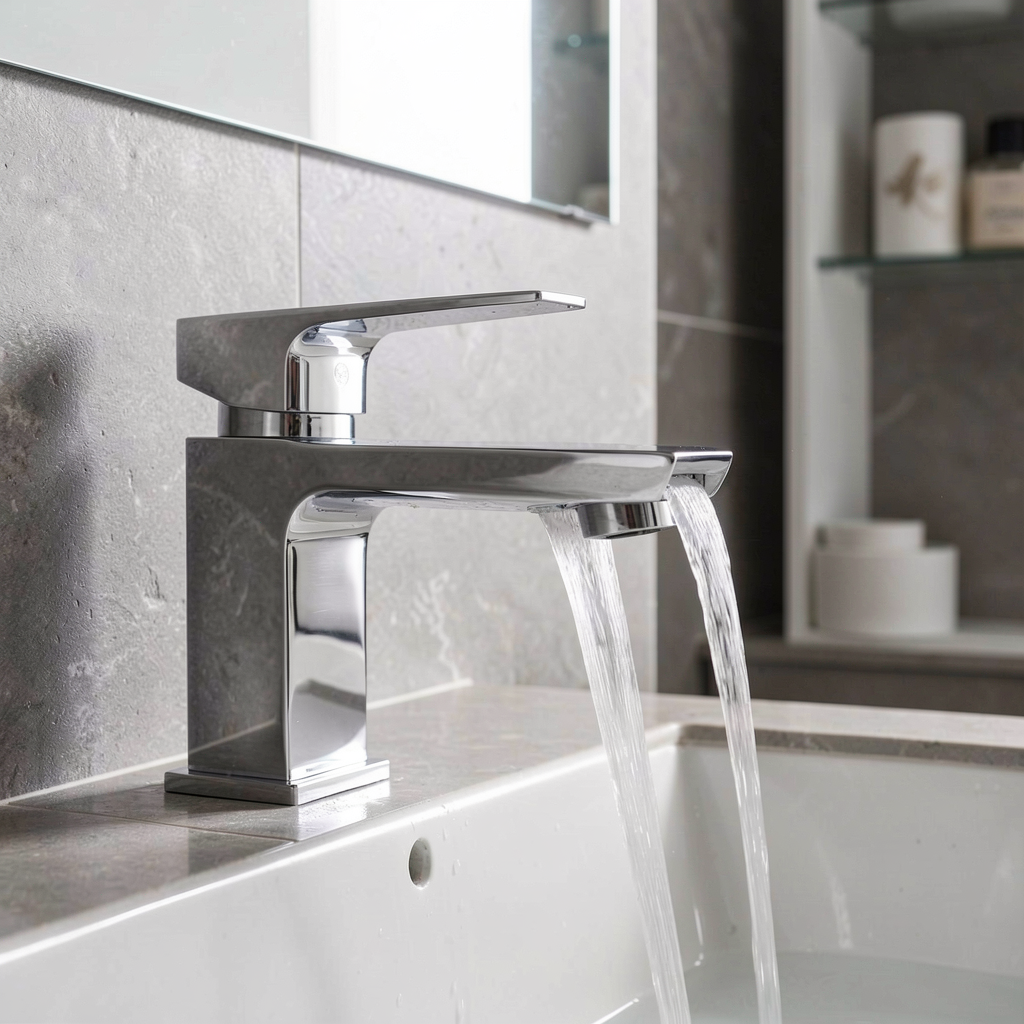
Recognize the telltale indicators that your plumbing needs expert attention before problems escalate.
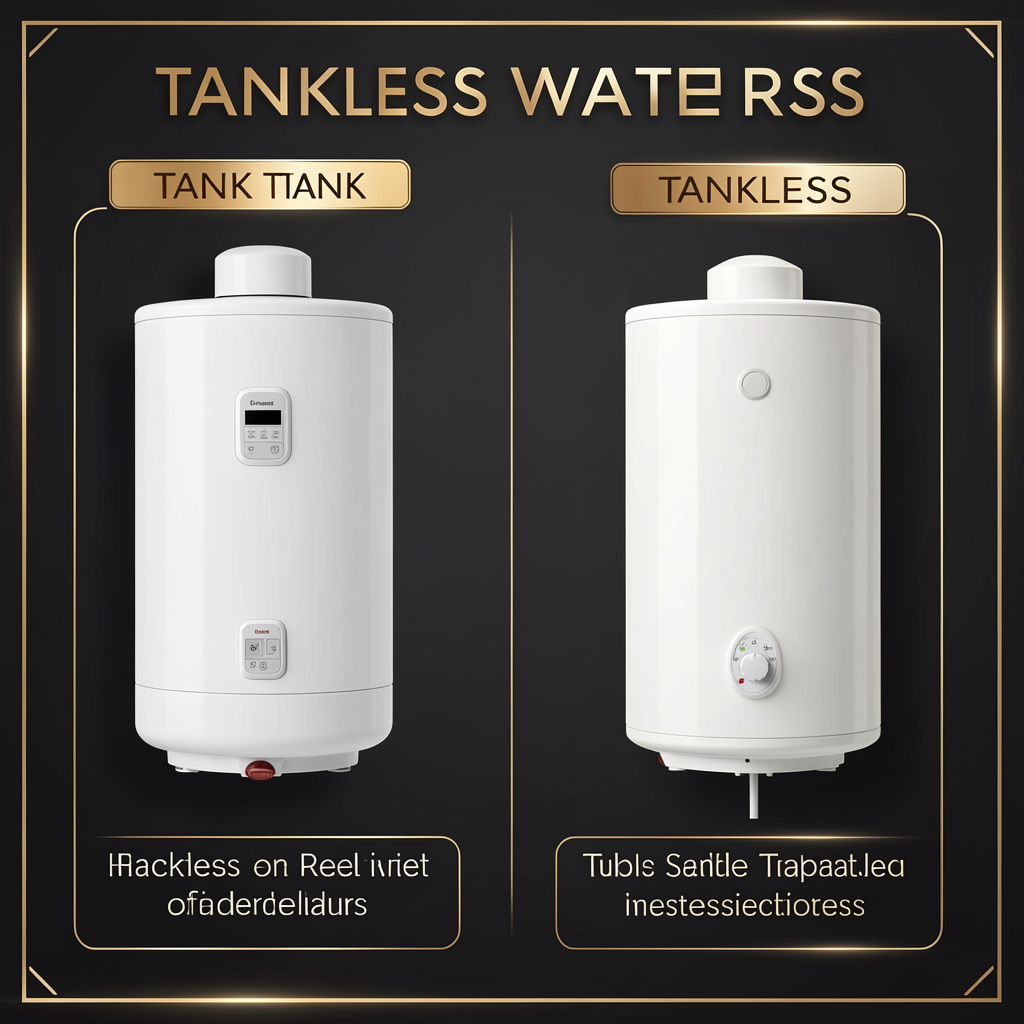
Understand the differences, installation considerations, and how your home’s water pressure needs influence the best choice.